
We Are Not Your In-House Meteorologists
 By Bob Keller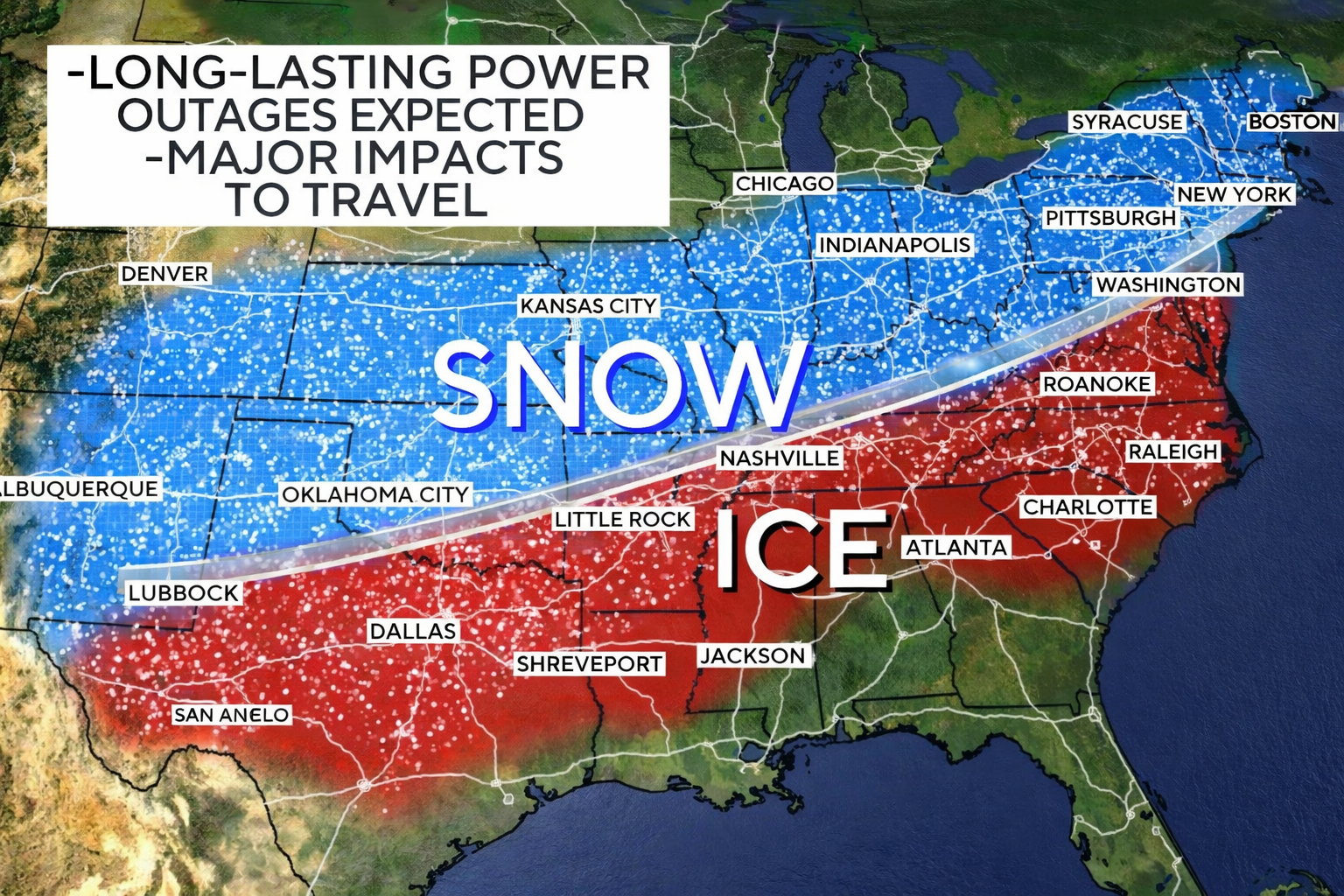
Enterprise risk, crisis management, resilience, and continuity teams do not send disruption notifications to report the weather. They send them to trigger action. Decisions need to be made.If the only question after receiving one is, “How bad is it really,” preparedness has already failed.Yet this reaction is common, even at the executive level.“Hey Bob, how bad is it really?”“Are we talking three inches of snow or two feet?”These comments are usually well intentioned, but they miss the point. When the conversation stops at the forecast, the operational intent behind the notification is lost.When an in-house risk or continuity team issues an alert about a storm or emerging disruption, the goal is not to debate forecast accuracy. It is to prompt action.Risk and resilience teams operate on facts, historical events, after-action findings, and observed patterns. Preparedness is grounded in evidence, not speculation.Consider the October 2011 “Snowtober” storm in the Northeast. Heavy, wet snow fell while trees were still fully leafed, bringing down branches and power lines across multiple states. Hundreds of thousands lost power for weeks. Essential services were disrupted long after the storm.The lesson was not that the forecast was wrong, but that planning assumptions were built for typical conditions.That is the point of these notifications. They exist to move an organization from awareness to preparedness while there is still time to act.That means confirming which essential functions must remain operational and which can degrade, validating recovery priorities and decision authority, and recognizing that people are often the first constraint.Most critically, notifications should prompt immediate engagement with third-party dependencies. Can critical vendors remain operational? Are contingency plans validated? Are failover thresholds understood?Preparedness also requires securing resources before scarcity sets in. Generators, fuel, transportation, lodging, and surge staffing are easier to arrange ahead of time. Memorandums of agreement should be executed in advance, before demand spikes and surge pricing becomes the only option.Clear communication and escalation discipline matter. Notification thresholds, incident declaration criteria, and briefing cadence should be understood in advance.Effective disruption notifications do three things: state the operational purpose, identify what could be impacted, and specify what actions should be taken now. They are decision triggers.If you receive one and your first reaction is to joke about the forecast, pause.The better question is, “What decision will I regret not making if this unfolds?”Preparedness is not about knowing the storm is coming. It is about making the decisions you will wish you had made while there was still time.
Written by
Bob Keller
Founder & Principal Consultant
Hold Fast
Ready to enhance your organization's resilience?
Contact us today to learn how Hold Fast can help your organization prepare for and navigate through critical incidents.
Schedule a Consultation